

What is sustainable fitness? A 2026 guide to eco-friendly workouts
Switching one gym workout to an outdoor bodyweight session cuts carbon emissions by roughly 70%, a shift that’s reshaping how fitness enthusiasts approach their routines. Sustainable fitness balances environmental care with effective workouts, proving you don’t need to sacrifice results to protect the planet. This guide unpacks the three pillars of sustainable fitness: environment, health, and community, showing you how to make eco-conscious choices that align with your wellness goals.
Table of Contents
- Introduction To Sustainable Fitness
- Environmental Impacts Of Traditional Fitness Practices
- Eco-Friendly Workout Methods
- Sustainable Fitness Gear
- Common Misconceptions About Sustainable Fitness
- Comparison Of Sustainable Versus Conventional Gear
- Benefits Of Sustainable Fitness Practices
- Implementing Sustainable Fitness In Your Routine
- Explore Eco-Friendly Fitness Gear At Peak Rep
- FAQ
Key takeaways
| Point | Details |
|---|---|
| Sustainable fitness definition | A fitness approach minimizing environmental impact while supporting long-term physical and mental health through three pillars: environment, health, and community. |
| Environmental impact differences | Bamboo yoga mats reduce greenhouse gases by 40% versus PVC; recycled fabrics cut water use by over 50% compared to conventional textiles. |
| Common myths debunked | Sustainable fitness isn’t more expensive or less intense; secondhand gear and DIY options reduce costs by up to 60% while maintaining workout effectiveness. |
| Practical implementation steps | Assess current routines, incorporate outdoor bodyweight exercises, choose recycled materials, engage communities, and monitor progress regularly. |
| Holistic benefits | Maintains fitness gains over 12 weeks, reduces anxiety by 20-30%, and supports environmental stewardship aligned with wellness values. |
Introduction to sustainable fitness
Sustainable fitness minimizes environmental impact while supporting your physical and mental health. It’s built on three interconnected pillars: environmental responsibility, personal health, and community engagement. This framework recognizes that your workout choices affect more than just your body.
The environmental pillar focuses on reducing carbon footprints through gear choices and workout methods. Personal health emphasizes long-term wellness over short-term gains. Community engagement connects you with others who share eco-conscious values, creating accountability and support.
This approach has gained serious traction among fitness enthusiasts, especially women seeking alignment between their wellness routines and environmental values. Understanding this sustainable fitness framework helps you make informed decisions about your workouts and gear.
Key elements of sustainable fitness include:
- Choosing equipment made from recycled or biodegradable materials
- Prioritizing outdoor and bodyweight exercises over energy-intensive gym equipment
- Supporting brands that demonstrate environmental responsibility
- Engaging with communities that value both fitness and sustainability
- Maintaining workout intensity while reducing environmental impact
Environmental impacts of traditional fitness practices
Traditional fitness methods carry hidden environmental costs that most people overlook. Conventional gym equipment and synthetic apparel production generate substantial carbon emissions and resource consumption. Understanding these impacts helps you appreciate why sustainable alternatives matter.
Plastic-based fitness equipment manufacturing produces significant greenhouse gases. PVC yoga mats, rubber dumbbells, and synthetic resistance bands rely on petroleum-based materials. These products often end up in landfills where they take centuries to decompose.
Synthetic fitness apparel production consumes massive amounts of water and energy. Polyester and nylon fabrics require intensive chemical processing. A single synthetic workout shirt can use over 20 liters of water during production.
Key environmental concerns include:
- Carbon emissions from manufacturing plastic and synthetic equipment
- High water consumption in synthetic textile production
- Non-biodegradable waste accumulating in landfills for decades
- Energy-intensive gym facilities requiring constant climate control
- Transportation emissions from global supply chains
These impacts add up quickly when millions of people participate in conventional fitness routines. Making sustainable choices reduces your personal contribution to these environmental burdens.
Eco-friendly workout methods
Outdoor bodyweight training offers the most environmentally friendly workout option available. Parks, trails, and beaches become your gym, eliminating energy consumption entirely. Push-ups, squats, lunges, and pull-ups build strength without any equipment.
Low-energy indoor practices like yoga and Pilates require minimal gear and no electricity. A simple mat provides everything you need for effective sessions. These practices emphasize body awareness and controlled movements that build functional strength.
Balancing workout intensity with sustainability doesn’t mean compromising results. High-intensity interval training works perfectly with bodyweight exercises. Sprint intervals, burpees, and mountain climbers deliver cardiovascular benefits without gym machinery.
Effective eco-friendly workout methods include:
- Outdoor running and cycling on natural trails
- Bodyweight circuit training in parks or home spaces
- Swimming in natural bodies of water when safe
- Yoga and stretching routines requiring only a mat
- Resistance training using natural objects like rocks or logs
Pro Tip: Schedule outdoor workouts during daylight hours to avoid needing artificial lighting, further reducing your environmental footprint while getting natural vitamin D exposure.
Mixing these methods throughout your week maintains variety and motivation. Three days of outdoor bodyweight training combined with two yoga sessions provides balanced fitness.
Sustainable fitness gear
Bamboo yoga mats represent one of the best sustainable gear investments. They cut greenhouse gas emissions by 40% compared to PVC alternatives while providing excellent grip and durability. Bamboo grows rapidly without pesticides, making it a renewable resource.

Recycled fabrics revolutionize fitness apparel by reducing water consumption by over 50% versus conventional textiles. Brands now create high-performance workout clothes from recycled plastic bottles and fishing nets. These materials offer moisture-wicking properties and durability matching virgin synthetics.
Biodegradable gear decomposes within a year under proper conditions, dramatically reducing landfill waste. Natural rubber resistance bands, organic cotton towels, and cork yoga blocks break down naturally. These options prove you don’t need synthetic materials for effective workouts.
Sustainable gear categories worth exploring:
- Bamboo or cork yoga mats for low-impact exercises
- Recycled polyester or organic cotton workout clothing
- Natural rubber resistance bands and exercise balls
- Stainless steel or glass water bottles replacing plastic
- Secondhand equipment from online marketplaces
Check out women’s fitness gear and men’s fitness gear collections for eco-conscious options. The fitness yoga pants line uses recycled materials without sacrificing performance or style.
Common misconceptions about sustainable fitness
Many people assume sustainable fitness costs more, but that’s simply not true. Affordable options reduce costs by up to 60% through secondhand purchases and DIY equipment. Facebook Marketplace and community swap groups offer quality gear at fraction of retail prices.
The intensity myth persists despite clear evidence to the contrary. Outdoor bodyweight workouts match gym training for building strength and endurance. Your body doesn’t know whether you’re lifting weights or doing pull-ups on a tree branch.
Skepticism about secondhand gear quality overlooks proper inspection techniques. Checking for wear patterns, testing resistance bands for elasticity, and cleaning items thoroughly ensures safety. Most used equipment lasts years beyond initial purchase.
Debunked sustainable fitness myths include:
- Sustainable gear always costs more than conventional options
- Eco-friendly workouts can’t build serious muscle or cardio fitness
- You need brand new equipment for effective training
- Sustainable choices require major lifestyle sacrifices
- Environmental benefits are too small to matter
Pro Tip: Create DIY equipment using household items like water jugs filled with sand for weights or old t-shirts braided into resistance bands, proving sustainability and frugality work together.
These misconceptions prevent people from exploring sustainable options that could save money while protecting the environment.
Comparison of sustainable versus conventional gear
Direct comparisons reveal significant differences between sustainable and conventional fitness equipment. Understanding these distinctions helps you make informed purchasing decisions aligned with your values.
| Gear Type | Sustainable Option | Conventional Option | Environmental Impact Difference |
|---|---|---|---|
| Yoga Mats | Bamboo or cork | PVC plastic | 40% lower greenhouse gas emissions |
| Workout Apparel | Recycled polyester | Virgin synthetic | 50-70% less water consumption |
| Resistance Bands | Natural rubber | Synthetic rubber | Biodegradable within 1 year vs. centuries |
| Water Bottles | Stainless steel | Single-use plastic | Eliminates ongoing plastic waste |
| Exercise Balls | Natural latex | PVC plastic | Renewable material vs. petroleum-based |
Lifecycle analysis shows sustainable gear typically lasts longer despite higher upfront costs. Bamboo mats maintain structure for 3-5 years with proper care. Natural rubber bands resist degradation better than synthetic alternatives when stored away from direct sunlight.
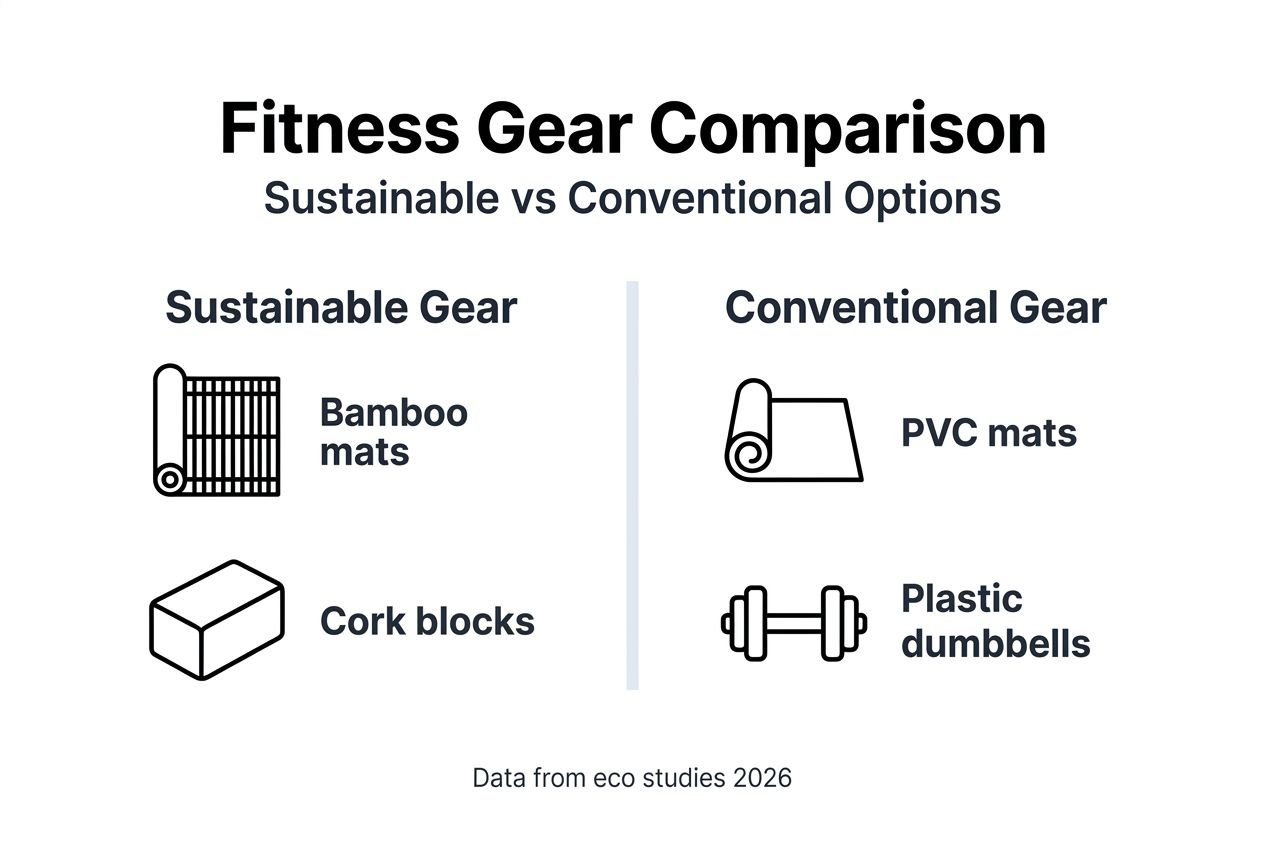
End-of-life disposal creates the starkest contrast. Biodegradable materials return nutrients to soil while synthetic products persist in landfills for generations. This long-term perspective matters when considering true environmental costs.
Explore women’s fitness gear and men’s fitness gear collections for specific sustainable product comparisons.
Benefits of sustainable fitness practices
Fitness effectiveness remains consistent when switching to sustainable methods. Research confirms comparable fitness gains over 12-week periods between conventional gym training and outdoor bodyweight routines. Your muscles respond to progressive overload regardless of equipment type.
Mental health improvements emerge as an unexpected bonus. Studies document anxiety reduction of 20-30% when combining outdoor exercise with sustainable practices. Nature exposure during workouts enhances mood beyond indoor training benefits.
Environmental stewardship creates psychological satisfaction from aligned values and actions. Knowing your fitness routine protects rather than harms the planet adds purpose to each workout. This alignment strengthens motivation and long-term adherence.
Comprehensive benefits include:
- Maintained or improved fitness metrics across strength, endurance, and flexibility
- Reduced anxiety and enhanced mood from outdoor exercise and value alignment
- Lower environmental footprint through reduced consumption and waste
- Financial savings from secondhand gear and minimal equipment needs
- Community connections with like-minded fitness enthusiasts
“Sustainable fitness isn’t about doing less. It’s about achieving more while leaving less behind. Every bodyweight squat in the park contributes to both personal strength and planetary health.”
These sustainable fitness effectiveness findings challenge assumptions that environmental choices require fitness compromises.
Implementing sustainable fitness in your routine
Start by assessing your current routine’s environmental impact honestly. Calculate how much equipment you own, how often you drive to gyms, and what happens to worn-out gear. This baseline helps you identify the biggest opportunities for improvement.
- Evaluate your existing fitness gear for wear, usage frequency, and material composition.
- Incorporate two outdoor bodyweight sessions weekly, gradually increasing as comfort grows.
- Research sustainable alternatives before purchasing new equipment, prioritizing recycled or biodegradable materials.
- Join local sustainable fitness communities through social media groups or environmental organizations.
- Track both fitness progress and environmental metrics like equipment purchases and workout locations.
- Adjust your routine quarterly based on what works for your fitness goals and sustainability targets.
Outdoor workouts require weather planning and backup options. Keep a simple home routine ready for extreme conditions. Bodyweight exercises, yoga, and stretching work perfectly indoors without special equipment.
Community engagement accelerates your sustainable fitness journey. Equipment swaps reduce overall consumption while building connections. Sharing transportation to trail workouts cuts individual carbon footprints.
Pro Tip: Create a workout calendar color-coding outdoor sessions, indoor low-impact days, and rest periods to visualize your sustainable fitness balance and ensure variety throughout each week.
Regular evaluation prevents stagnation and maintains alignment with evolving goals. Monthly check-ins assess whether your routine still serves both fitness and environmental objectives.
Explore eco-friendly fitness gear at Peak Rep
Transitioning to sustainable fitness becomes easier when you have reliable sources for eco-conscious gear. Peak Rep specializes in fitness equipment and apparel that align with environmental values without compromising performance or style.
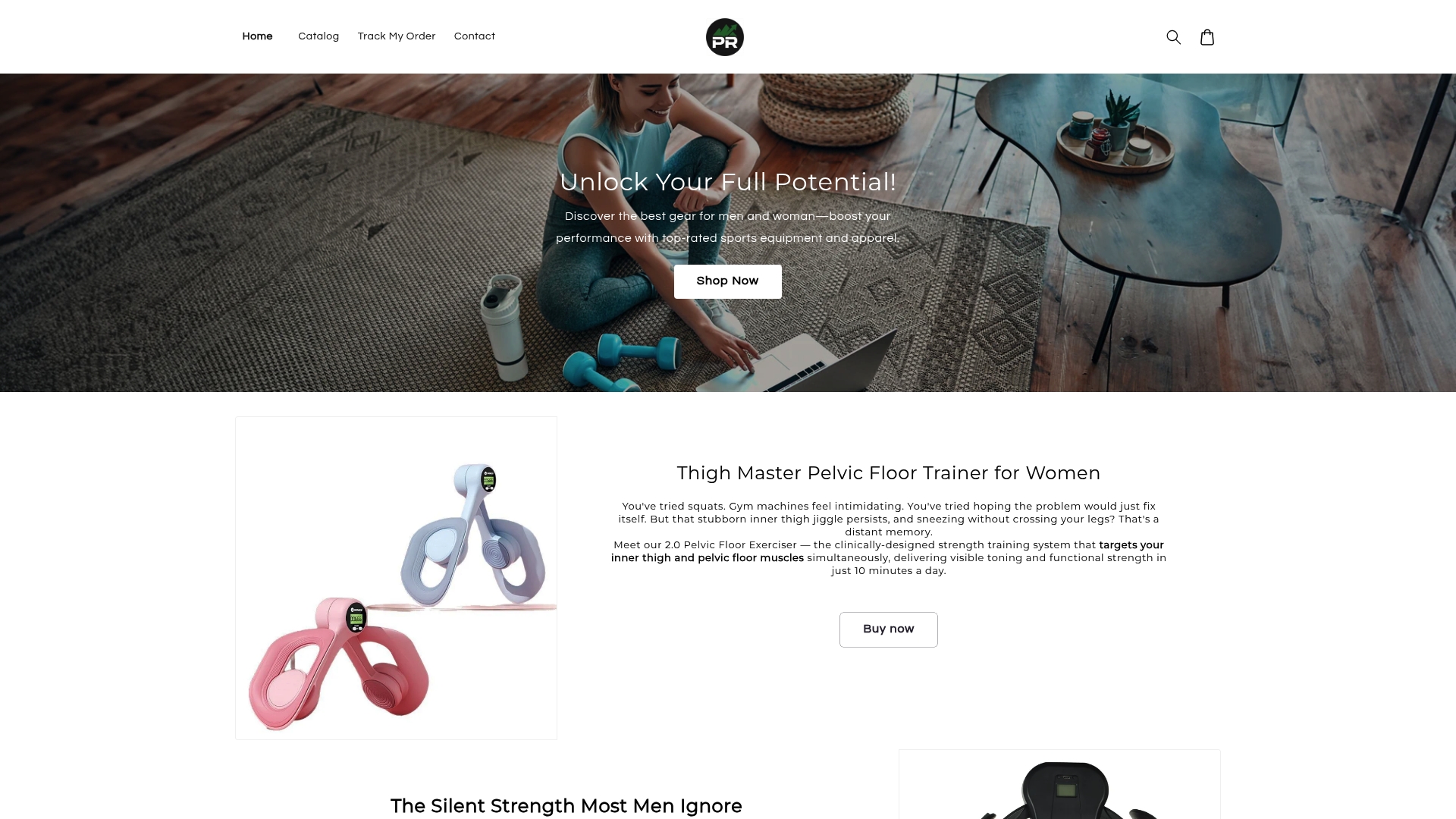
The women’s fitness gear collection features recycled materials and sustainable production methods. From yoga mats to resistance bands, each product meets strict environmental standards. The men’s fitness gear line offers equally thoughtful options for conscious consumers.
Popular items like fitness yoga pants demonstrate how sustainable materials deliver the moisture-wicking, stretch, and durability you need. Shopping at Peak Rep supports your health and environmental commitments simultaneously.
FAQ
What materials are considered sustainable for fitness gear?
Bamboo, recycled polyester, organic cotton, natural rubber, and cork represent the most sustainable fitness gear materials. These options reduce water consumption by 50-70% and cut greenhouse gas emissions by up to 40% compared to conventional synthetics. They also biodegrade naturally or come from rapidly renewable sources.
Can sustainable fitness routines help me maintain my workout intensity?
Sustainable workouts absolutely maintain intensity comparable to traditional gym exercises. Outdoor bodyweight training matches gym-level intensity in research studies, with participants achieving similar strength and endurance gains over 12 weeks. Progressive overload principles work identically whether you’re using barbells or body resistance.
How can I start practicing sustainable fitness without buying expensive equipment?
Begin with bodyweight exercises requiring zero new gear, like push-ups, squats, and planks. Search for secondhand fitness equipment reducing costs by up to 60% through online marketplaces and community groups. DIY alternatives using household items like filled water jugs provide effective, budget-friendly options.
Does sustainable fitness really make a difference for the environment?
Individual choices accumulate into significant collective impact when adopted widely. Switching one weekly gym session to outdoor bodyweight training cuts carbon emissions by 70% for that workout. Choosing bamboo over PVC mats reduces manufacturing emissions by 40%, and these choices multiply across millions of fitness enthusiasts.
How do I find sustainable fitness communities near me?
Search social media platforms for local groups using terms like “sustainable fitness,” “eco-friendly workouts,” or “green fitness.” Environmental organizations often host outdoor fitness events and equipment swaps. Yoga studios and climbing gyms frequently attract environmentally conscious members who organize community activities and share resources.
Recommended
- Fitness Yoga Pants – Peak Rep
- Women’s Fitness Gear – Peak Rep
- Men’s Fitness Gear – Peak Rep
- Premium Kegel Exercise Trainer – Adjustable Resistance Pelvic Floor St – Peak Rep