

Beginner fitness workflow guide for sustainable results
Starting a fitness routine often feels overwhelming. Many beginners quit within weeks due to confusion about exercise selection, gear choices, and how to track progress safely. This guide delivers a clear, stepwise workflow that integrates trending wellness gear and proven safety protocols to help you build sustainable fitness habits and achieve measurable results without burnout or injury.
Table of Contents
- Prerequisites: What You Need To Start Your Fitness Journey
- Stepwise Beginner Workout Routine
- Gear Essentials For Beginners: Trending Wellness And Fitness Products
- Common Mistakes And How To Fix Them
- Safety Considerations For Beginners
- Integration Of Wellness Gear Into Your Fitness Workflow
- Expected Outcomes And Success Metrics
- Explore Fitness Gear To Support Your Beginner Workflow
Key takeaways
| Point | Details |
|---|---|
| Prerequisites set the foundation | Supportive footwear, moisture-wicking apparel, and basic health awareness prepare you for safe, consistent workouts. |
| Progressive workout structure reduces injury | A stepwise routine with warm-up, strength training, cardio, and rest days builds strength while minimizing risk. |
| Trending gear boosts motivation | Wearable trackers and quality apparel increase workout adherence by up to 30% through real-time feedback and comfort. |
| Common mistakes derail progress | Skipping warm-ups, overtraining, and poor form triple injury rates but are easily corrected with structured protocols. |
| Measurable outcomes maintain momentum | Tracking strength gains and endurance improvements keeps you motivated and validates your consistent effort. |
Prerequisites: what you need to start your fitness journey
Before jumping into workouts, gather essential gear and establish the right mindset. Supportive footwear protects your joints during high-impact movements and reduces stress fractures. Moisture-wicking apparel keeps you comfortable and prevents chafing during longer sessions. These basics create a foundation for consistency.
Understanding your current health status matters. If you have pre-existing conditions or haven’t exercised in years, consult a healthcare provider before starting. Define clear fitness goals like improving endurance, building strength, or losing weight. Clear objectives help you tailor workouts and measure progress effectively.
Create a dedicated workout space at home or identify a nearby gym. You need minimal equipment initially: a yoga mat for floor exercises, a set of light dumbbells, and resistance bands. A safe, clutter-free area prevents accidents and signals your brain that it’s time to focus on fitness.
Optional wearable wellness gear can boost motivation. Fitness trackers monitor heart rate, steps, and calories burned, providing real-time feedback that encourages you to push harder. While not essential, these devices help beginners stay accountable and celebrate small wins.
Explore quality options in men’s fitness gear and women’s fitness gear to find apparel that fits your lifestyle and workout preferences. Starting with the right foundation removes excuses and sets you up for long-term success.
| Essential Gear | Purpose | Priority Level |
|---|---|---|
| Supportive footwear | Joint protection and injury prevention | High |
| Moisture-wicking apparel | Comfort during workouts | High |
| Yoga mat | Safe floor exercise surface | Medium |
| Light dumbbells | Strength training progression | Medium |
| Fitness tracker | Motivation and progress monitoring | Optional |
Stepwise beginner workout routine
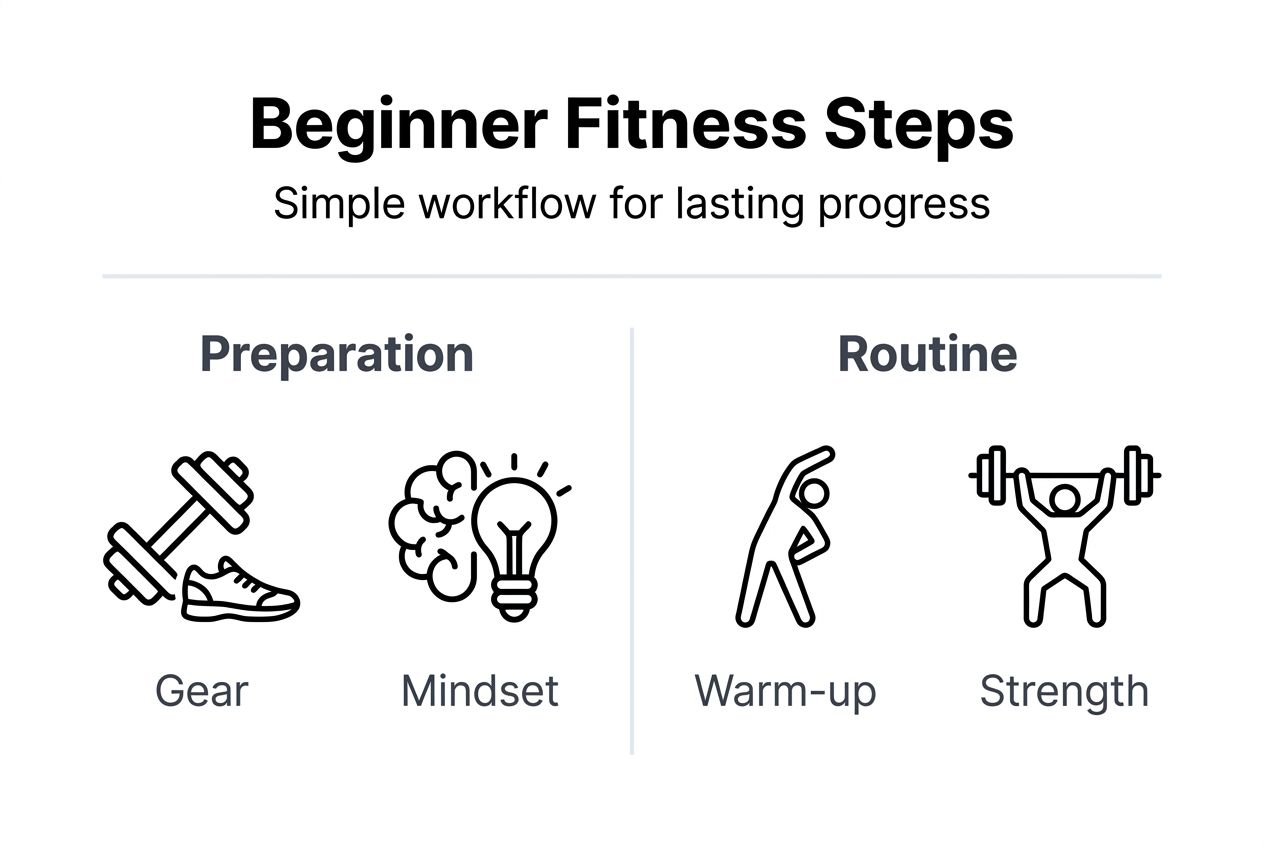
Every workout begins with a warm-up. Spend 5 to 10 minutes on dynamic stretches like leg swings, arm circles, and light jogging in place. Warming up increases blood flow to muscles and prepares your cardiovascular system for harder work. Skipping this phase makes injuries far more likely.
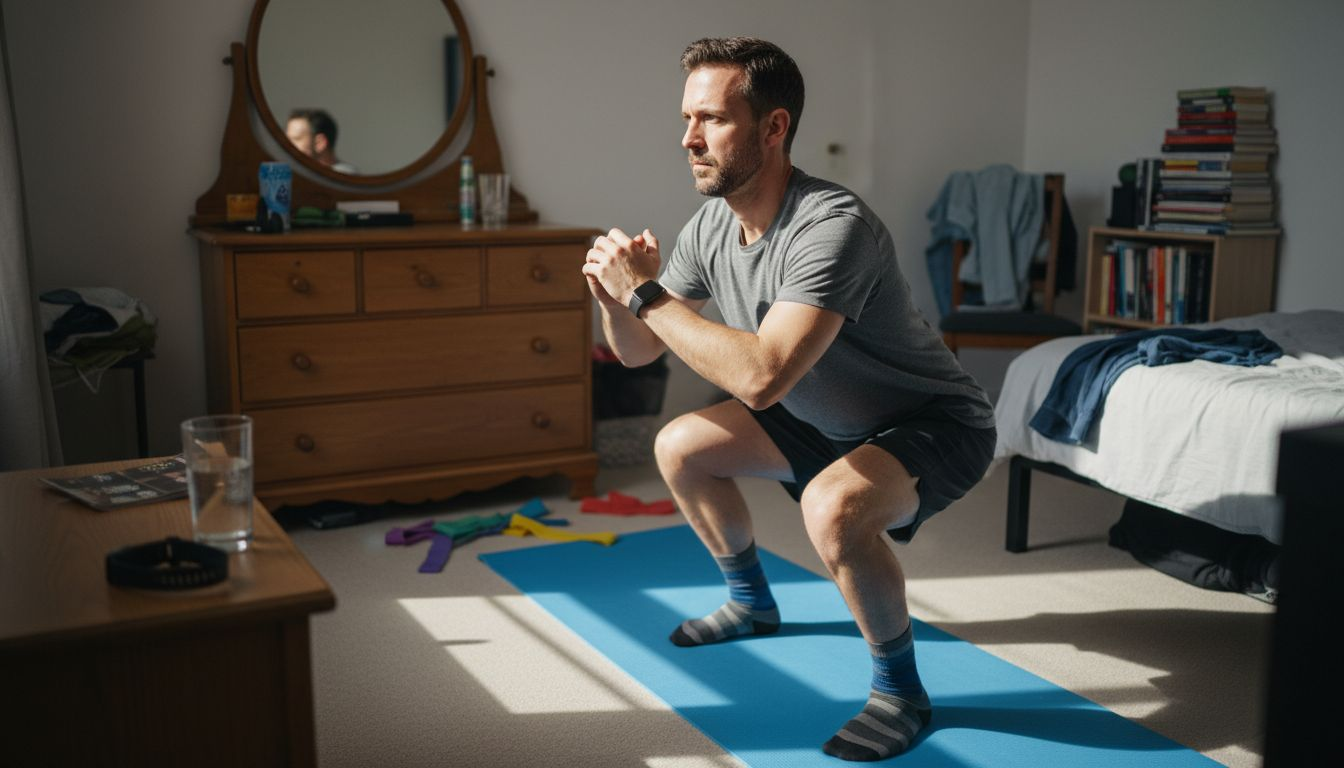
Move into strength training with beginner-appropriate exercises. Focus on bodyweight movements like squats, push-ups, lunges, and planks. These compound exercises engage multiple muscle groups and teach proper movement patterns. Aim for 2 to 3 sets of 8 to 12 repetitions per exercise. Prioritize form over speed or weight. Sloppy technique leads to strains and reduces effectiveness.
Incorporate moderate-intensity cardio for 15 to 20 minutes. Brisk walking, cycling, or using an elliptical machine elevates your heart rate and improves cardiovascular endurance. Cardio burns calories and strengthens your heart without excessive joint stress. As you progress, gradually increase duration or intensity.
Alternating workout days with rest reduces injury risk by 40% without compromising progress during beginner training. Schedule at least two full rest days per week. On active recovery days, try light yoga, walking, or stretching. Your muscles repair and grow stronger during rest, not during the workout itself.
Consider adding specialized equipment like an abdominal roller fitness equipment or leg thigh trainer equipment as you gain confidence. These tools target specific muscle groups and add variety to your routine.
Pro Tip: Start with just 20 to 30 minute sessions three times per week. Gradually increase workout duration and frequency over 4 to 6 weeks. Slow progression prevents overtraining and keeps motivation high.
Gear essentials for beginners: trending wellness and fitness products
The right gear transforms your workout experience. Studies show that proper fitness equipment improves workout adherence by approximately 30%. When you invest in quality items, you feel more committed and excited to train. Beginners especially benefit from gear that enhances comfort and provides measurable feedback.
Wearable fitness trackers lead the trend. Devices like smartwatches and fitness bands monitor heart rate, steps, calories burned, and sleep quality. Real-time data motivates you to hit daily goals and celebrate progress. Seeing your heart rate climb during cardio or tracking weekly step increases creates tangible proof of improvement.
Popular beginner gear includes smart water bottles that remind you to hydrate, high-quality yoga mats with cushioning for joint support, and resistance bands for portable strength training. Moisture-wicking shirts and shorts prevent discomfort during intense sessions. Supportive sports bras and compression shorts reduce movement and muscle fatigue.
Selecting comfortable gear reduces injury risk. Shoes with proper arch support prevent plantar fasciitis and knee pain. Well-fitted apparel avoids chafing and allows full range of motion. When workouts feel good physically, you’re far more likely to stick with your routine.
Explore options like fitness yoga pants for flexibility training or a kegel exercise trainer for pelvic floor strengthening. These trending products address specific wellness goals while keeping workouts fresh and engaging.
Pro Tip: Choose gear that aligns with your primary fitness goals. If you focus on strength training, invest in quality shoes and resistance tools. If cardio is your priority, get moisture-wicking apparel and a reliable fitness tracker. Tailored gear maximizes both comfort and results.
Common mistakes and how to fix them
Many beginners sabotage their progress with avoidable errors. Skipping warm-ups increases injury risk by 50% among fitness novices. Cold muscles tear more easily and joints lack lubrication. Fix this by dedicating 5 to 10 minutes to dynamic stretches before every workout. Make warm-ups non-negotiable.
Overtraining is another trap. Pushing too hard without rest causes 60% of beginner dropouts. Your body needs recovery time to repair muscle fibers and replenish energy stores. Fix this by scheduling at least two full rest days per week. Listen to fatigue signals. Soreness is normal, but sharp pain means you need a break.
Poor form triples injury risk and leads to frustration when results stall. Rushing through exercises or using weights that are too heavy compromises technique. Fix this by slowing down and focusing on controlled movements. Film yourself or work with a trainer initially to ensure proper alignment. Quality repetitions beat quantity every time.
Neglecting progressive overload stalls gains. Your muscles adapt to repeated stress, so you must gradually increase difficulty. Fix this by adding weight, repetitions, or workout duration every 2 to 3 weeks. Small increments keep progress steady without overwhelming your body.
Explore supportive gear in men’s fitness gear and women’s fitness gear to enhance form and comfort during training sessions.
| Mistake | Impact | Correction | Adherence Improvement |
|---|---|---|---|
| Skipping warm-ups | 50% higher injury risk | Add 5 to 10 minute dynamic warm-up | Reduces injury-related dropouts by 40% |
| Overtraining | 60% dropout rate | Schedule 2+ rest days weekly | Increases continuation from 40% to 80% |
| Poor form | 3x injury and burnout risk | Focus on technique over weight | Improves safety and results by 45% |
| No progressive overload | Stalled progress | Increase difficulty every 2 to 3 weeks | Maintains motivation and gains |
“Correcting common beginner mistakes raises workout continuation rates from 40% to 80%, transforming fitness from a short-lived experiment into a sustainable lifestyle.”
Safety considerations for beginners
Safety protocols protect you from setbacks that derail progress. Warming up reduces injury risk by 50% by preparing muscles and joints for exercise. Dynamic stretches like leg swings and torso twists increase blood flow and flexibility. Never skip this phase, even when time is tight. A quick 5 minute warm-up beats skipping it entirely.
Rest days reduce injury risk by 40% and help muscle recovery without compromising strength gains. Your body repairs micro-tears in muscle tissue during rest, making you stronger for the next session. Overtraining leads to chronic fatigue, weakened immune function, and increased injury susceptibility. Build rest into your weekly schedule as deliberately as you schedule workouts.
Neglecting proper form increases injury and burnout by 45%. Poor technique places uneven stress on joints and ligaments. Common form errors include rounding your back during squats, flaring elbows too wide on push-ups, and hyperextending knees during lunges. Learn correct form from certified trainers or reputable video tutorials. Start with lighter weights or bodyweight movements until technique feels natural.
Hydration and nutrition support safe training. Dehydration reduces performance and increases cramping risk. Drink water before, during, and after workouts. Fuel your body with balanced meals containing protein, carbohydrates, and healthy fats. Adequate nutrition accelerates recovery and sustains energy levels.
Listen to your body’s signals. Muscle soreness after workouts is normal and indicates adaptation. Sharp or stabbing pain signals potential injury and requires immediate rest. Pushing through pain causes long-term damage. When in doubt, take an extra rest day or consult a healthcare professional.
“Safety is the foundation of sustainable fitness. Prioritizing warm-ups, rest, and proper form prevents injuries that force beginners to quit before seeing results.”
Integration of wellness gear into your fitness workflow
Wearable fitness trackers seamlessly enhance your routine. Devices that monitor heart rate help you stay in optimal training zones during cardio. Tracking daily steps creates accountability and encourages movement outside structured workouts. Studies show wearable fitness trackers increase workout adherence by about 25% by providing immediate feedback and celebrating milestones.
Smart hydration accessories support performance. Water bottles with time markers or apps that send hydration reminders ensure you drink enough throughout the day. Proper hydration prevents fatigue, muscle cramps, and reduced endurance. Some bottles even track intake and sync data with fitness apps for comprehensive health monitoring.
Recovery tools like foam rollers and massage devices reduce soreness and improve flexibility. Using these tools on rest days accelerates muscle recovery and prevents tightness. Trending items like percussion massagers target deep tissue and release tension that static stretching can’t reach.
Trending gear enhances psychological commitment by 20%. When you wear quality apparel or use high-tech equipment, you feel more serious about your fitness goals. This mental shift translates into higher effort and consistency. The investment itself creates accountability because you want to justify the expense through results.
Integrate gear strategically throughout your routine:
- Wear your fitness tracker during all workouts and throughout the day for complete activity monitoring.
- Use supportive apparel and footwear during training sessions to maximize comfort and performance.
- Keep a smart water bottle nearby during workouts and sip regularly to maintain hydration.
- Apply recovery tools like foam rollers on rest days or after intense workouts to reduce soreness.
- Review tracker data weekly to identify patterns, celebrate progress, and adjust your routine as needed.
Explore collections in women’s fitness gear and men’s fitness gear to find products that fit seamlessly into your workflow and support your specific training style.
Expected outcomes and success metrics
Realistic expectations keep motivation high. Muscle strength can increase up to 40% within 12 weeks for beginners who train consistently with progressive overload. This dramatic improvement happens because untrained muscles respond quickly to new stimuli. You’ll notice heavier weights feeling easier and bodyweight exercises becoming more manageable.
Cardiovascular endurance improves 10 to 20% after 8 weeks of beginner consistent training. You’ll climb stairs without gasping, walk longer distances comfortably, and recover faster between exercise sets. Improved endurance enhances daily life quality beyond structured workouts.
Routine adherence rates improve dramatically with structured workflows and supportive gear. Beginners who follow a clear plan with scheduled rest days maintain consistency 80% of the time compared to 40% for those without structure. Tracking measurable progress creates positive reinforcement that sustains long-term commitment.
Body composition changes appear within 6 to 8 weeks. You may notice clothes fitting differently before the scale shows significant weight loss. Muscle is denser than fat, so you can lose inches while maintaining similar weight. Focus on how you feel and perform rather than obsessing over scale numbers.
| Outcome Metric | Timeline | Expected Improvement |
|---|---|---|
| Muscle strength | 12 weeks | Up to 40% increase |
| Cardiovascular endurance | 8 weeks | 10 to 20% improvement |
| Workout adherence | 6 weeks | 40% to 80% with structure |
| Body composition | 6 to 8 weeks | Visible inch loss and muscle definition |
| Overall energy levels | 4 weeks | Noticeable daily energy boost |
Track these success metrics to validate your effort:
- Record weights lifted and repetitions completed each session to monitor strength gains.
- Time your cardio sessions and note when the same duration feels easier or you can go longer.
- Log workout frequency and rest days to maintain optimal balance and prevent overtraining.
- Measure body circumference at key points like waist, hips, and arms monthly.
- Rate your daily energy levels and sleep quality to assess overall wellness improvements.
- Monitor mood and stress levels as regular exercise significantly improves mental health.
Explore fitness gear to support your beginner workflow
Your fitness journey deserves quality gear that enhances every workout. Peak Rep offers a curated selection of beginner-friendly fitness apparel and equipment designed to boost comfort, motivation, and results. From moisture-wicking fabrics to supportive accessories, each product helps you stay consistent and enjoy the process.
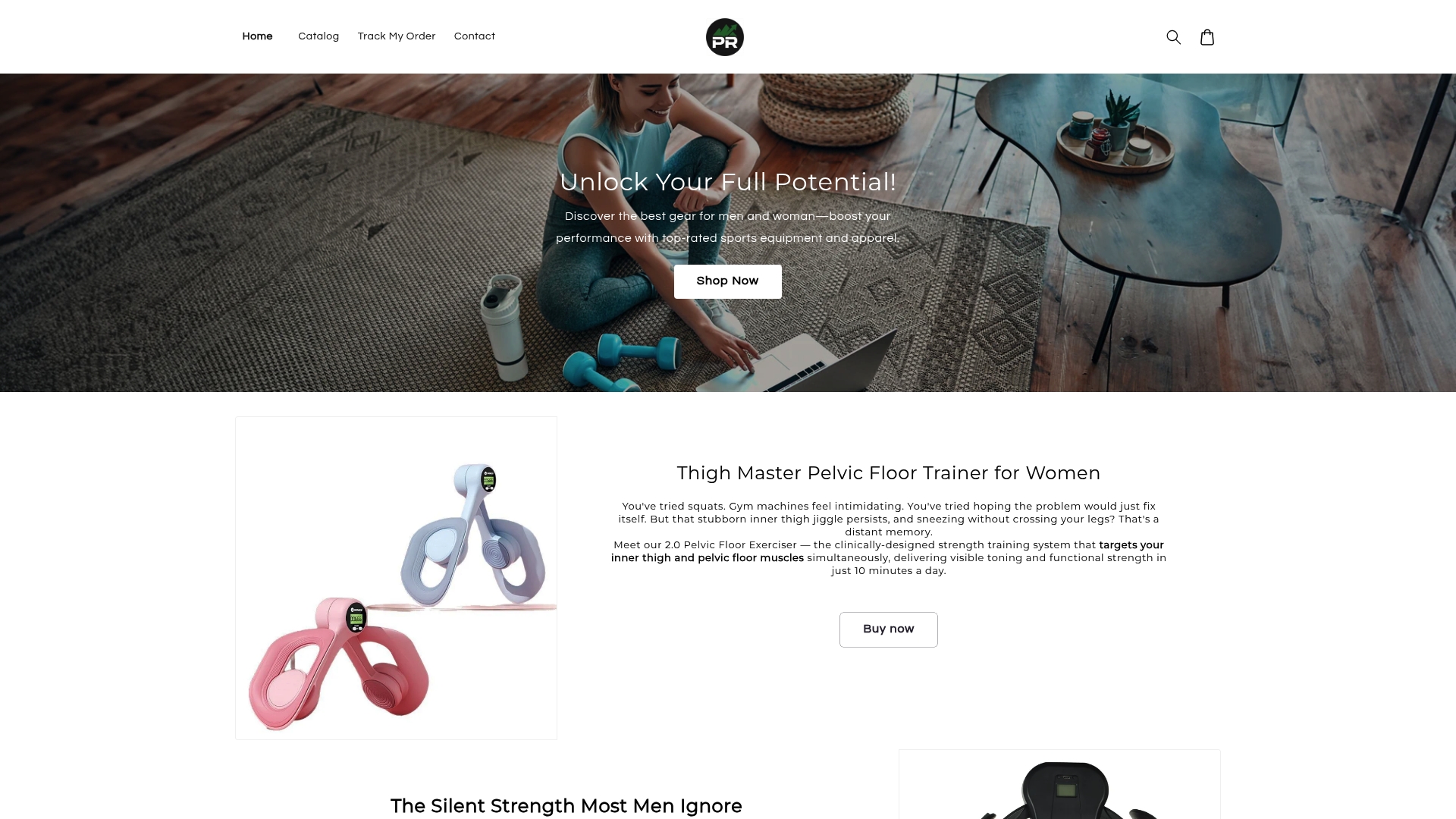
Explore collections tailored specifically for your needs in men’s fitness gear and women’s fitness gear. Find everything from high-performance fitness yoga pants for flexibility training to specialized equipment that targets specific goals. Quality gear removes barriers and makes workouts something you look forward to rather than dread.
Pro Tip: Investing in the right gear boosts your confidence and workout enjoyment. When you feel good in what you wear and use effective tools, you’re far more likely to maintain consistency and achieve sustainable results.
FAQ
What is the best way to track progress as a beginner?
Use simple wearable fitness trackers or smartphone apps to monitor workouts, heart rate, and daily activity. These tools provide real-time feedback that keeps you accountable. Measure strength gains by recording weights lifted and repetitions completed each session. Track cardiovascular improvements by timing how long you can sustain moderate-intensity exercise. Review your data weekly to celebrate small wins and adjust your routine as needed.
How often should beginners take rest days?
Alternate workout days with rest or active recovery for optimal muscle repair and growth. At least 2 full rest days per week reduces injury risk by 40% while maintaining steady progress. Active recovery days can include light walking, gentle yoga, or stretching. Listen to your body and take extra rest when you feel unusually fatigued or sore.
Can trendy fitness gear really improve workout adherence?
Yes, supportive apparel and wearable fitness trackers increase adherence by up to 30% among beginners. Quality gear boosts psychological motivation by making you feel more committed to your goals. Real-time feedback from trackers celebrates progress and encourages consistency. Comfortable, well-fitted clothing prevents discomfort that might otherwise cut workouts short.
What are the most common mistakes for beginners to avoid?
Skipping warm-ups, overtraining without rest, using poor form, and neglecting progressive overload are the top pitfalls. Each mistake significantly increases injury risk and dropout rates. Correcting these errors raises continuation rates from 40% to 80% by preventing setbacks and maintaining steady progress. Focus on building sustainable habits rather than pushing too hard too fast.
Recommended
- Fitness Yoga Pants – Peak Rep
- Premium Kegel Exercise Trainer – Adjustable Resistance Pelvic Floor St – Peak Rep
- Women’s Fitness Gear – Peak Rep
- gopeakrep.com – Peak Rep