

Essential fitness gear for women: trendy picks in 2026
Choosing fitness gear can feel overwhelming when you need something that looks great, fits perfectly, and actually performs during tough workouts. Women face unique challenges balancing trendy designs with functional support across different exercise types. This guide cuts through the noise with expert-backed criteria and 2026’s best gear recommendations tailored specifically for women’s bodies and fitness goals.
Table of Contents
- How To Choose Fitness Essentials For Women: Key Selection Criteria
- Trendy Activewear: Compression Leggings And Performance Fabrics
- Footwear For Different Workouts: Running, Cross-Training, And More
- Workout Accessories That Enhance Performance And Recovery
- Wellness Tech And Accessories: From Smartwatches To Wearable Trackers
- Pricing And Availability Considerations
- Summary Comparison And Situational Gear Recommendations
- Find Your Perfect Fitness Essentials At Peak Rep
- Frequently Asked Questions
Key takeaways
| Point | Details |
|---|---|
| Selection criteria matter | Comfort, functionality, activity-specific design, brand trust, and price guide smart fitness gear choices. |
| Performance-driven apparel works | Compression leggings and moisture-wicking fabrics reduce muscle fatigue by 15% and improve workout comfort. |
| Right footwear prevents injury | Women-specific running and cross-training shoes cut injury risk by 35% and boost efficiency. |
| Accessories enhance results | Resistance bands, foam rollers, and wearable tech increase adherence by 22% and speed recovery. |
| Budget-smart picks exist | Mid-tier gear ($50-$100) balances quality and value for sustained fitness investment. |
How to choose fitness essentials for women: key selection criteria
Smart gear selection starts with understanding what actually matters for your workouts. Comfort and functionality are prioritized by 72% of women buyers, and material quality directly affects workout performance. Getting these foundational factors right means you’ll actually wear your gear and push harder during training sessions.
Fit and comfort form the backbone of any good fitness wardrobe. Poorly fitting gear causes chafing, restricts movement, and kills motivation faster than any workout plateau. Women need gear designed for female body shapes, not just scaled-down men’s versions. Look for pieces with appropriate waistbands, cup support in tops, and length options that match your height.
Material technology separates budget gear from performance winners. Moisture-wicking fabrics pull sweat away from skin, keeping you dry during intense cardio sessions. Breathable mesh panels prevent overheating in hot yoga classes. Four-way stretch materials move with your body during dynamic exercises without losing shape after repeated washing.
Activity-specific design matters more than most people realize. Your gear needs change dramatically between activities:
- Running requires compression support and reflective details for safety
- Yoga demands flexibility without see-through fabrics during downward dog
- HIIT training needs durability to withstand high-impact movements
- Strength training benefits from reinforced seams and pockets for accessories
Brand reputation signals quality and durability. Established fitness brands invest in research, testing, and customer feedback loops that smaller companies skip. You’re paying for consistent sizing, proven fabric technology, and reliable customer service when issues arise. Sustainability practices also vary widely between brands, so check environmental commitments if that aligns with your values.
Price reflects both quality and marketing costs. The sweet spot sits between bargain bin items that fall apart after three washes and luxury pieces with inflated price tags. Consider cost per wear rather than sticker price. A $120 pair of leggings lasting three years beats $40 leggings replaced every six months.
Pro Tip: Test new gear on a light workout day first. This reveals fit issues, chafing spots, or fabric problems before you’re stuck mid-marathon in uncomfortable gear.
Trendy activewear: compression leggings and performance fabrics
Compression leggings dominate 2026 activewear trends for good reason beyond Instagram aesthetics. Research shows compression leggings reduce muscle fatigue by 15% during high-intensity exercise in women by improving blood circulation and reducing muscle vibration. This translates to longer workouts with less soreness the next day.
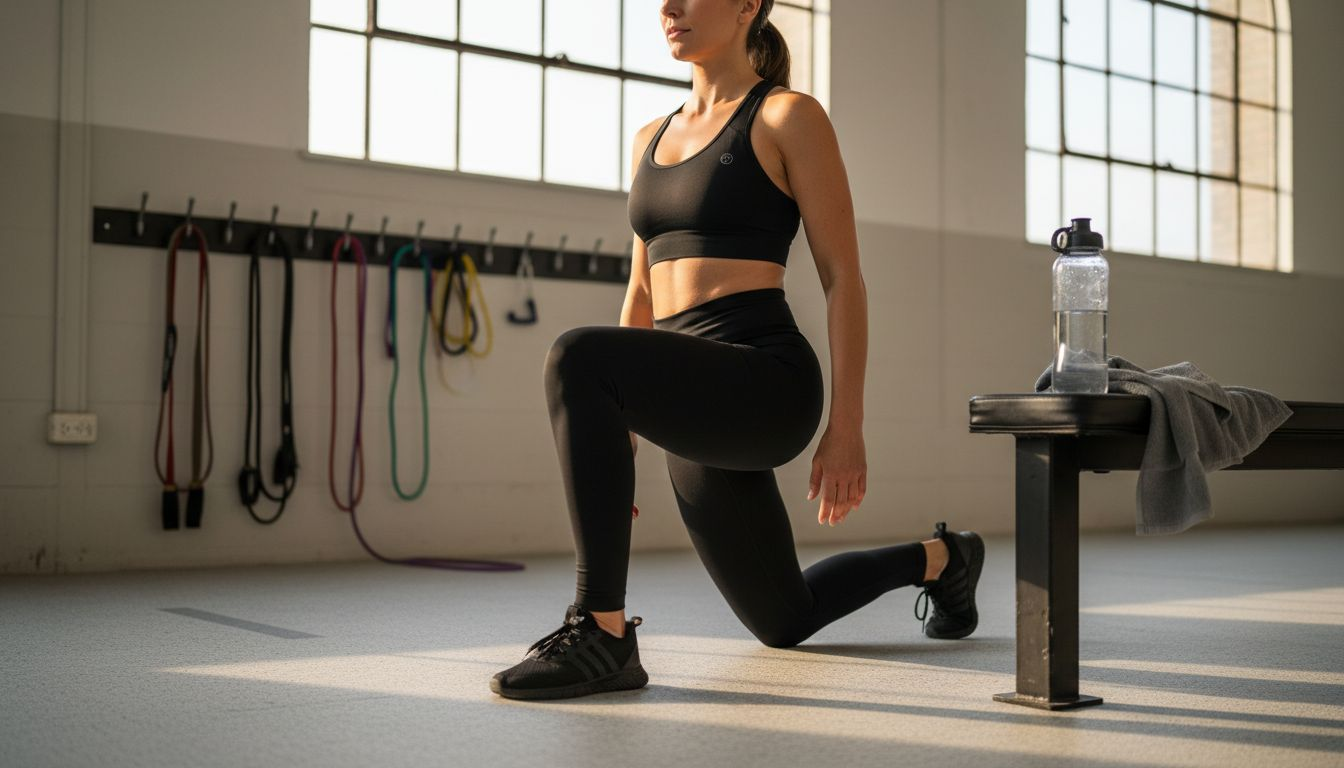
Performance fabrics have evolved far beyond basic polyester blends. Modern moisture-wicking materials actively transport sweat to outer fabric layers where it evaporates quickly. Antimicrobial treatments prevent odor buildup even during back-to-back workout days. Temperature-regulating fabrics keep you cool during cardio and warm during outdoor winter runs.
Top activewear brands offer distinct advantages:
- Nike delivers cutting-edge fabric technology at mid to premium prices ($80-$180)
- Lululemon emphasizes durability and timeless styles ($98-$250)
- Athleta balances performance with inclusive sizing options ($70-$150)
- Gymshark targets younger demographics with bold colors and affordability ($40-$90)
The seamless fitness yoga pants design eliminates irritating seams that dig into skin during floor exercises. High-waisted cuts provide core compression without rolling down mid-workout. Look for pockets large enough for phones, because fumbling with armbands interrupts workout flow.
Coordinated outfits boost motivation more than you’d expect. Studies indicate 58% of women report greater workout adherence when wearing trendy, color-matched activewear. Feeling confident in your gear removes one psychological barrier to hitting the gym on tired days.
Price ranges span from budget-friendly basics around $50 to premium technical pieces exceeding $200. Mid-tier options ($80-$120) typically offer the best performance-to-cost ratio for regular gym-goers. Save premium purchases for your most-worn items where durability justifies higher investment.
Fabric composition matters for longevity. Look for nylon/spandex blends (typically 75%/25%) that retain shape and compression through repeated washing. Avoid cotton-heavy blends that absorb sweat and lose elasticity quickly. Check care labels since some technical fabrics require cold water washing and air drying.
Pro Tip: Buy two pairs of your favorite leggings once you find the perfect fit. Brands discontinue styles constantly, and you’ll regret not stocking up when your go-to pair wears out.
Footwear for different workouts: running, cross-training, and more
Your shoes make or break workout performance and injury prevention. Women-specific athletic footwear accounts for anatomical differences like narrower heels, higher arches, and different weight distribution patterns compared to men. Proper footwear reduces injury risk by 35% and improves running efficiency by 8%.
Running shoes designed for women feature extra cushioning in the forefoot where females typically strike hardest. Look for models with appropriate arch support matching your foot type (neutral, overpronation, or supination). Replace running shoes every 300-500 miles to maintain proper shock absorption and prevent knee and hip problems.
Cross-training shoes prioritize lateral stability over forward-motion cushioning. These shoes boost agility by 12% for HIIT and aerobics through wider bases and multi-directional tread patterns. The versatility makes them ideal for gym classes mixing cardio, strength, and plyometric movements in single sessions.
| Shoe Type | Best For | Key Features | Price Range |
|---|---|---|---|
| Running shoes | Road running, treadmill | Heel cushioning, breathable mesh | $90-$180 |
| Trail running shoes | Outdoor running, hiking | Aggressive tread, rock plates | $110-$200 |
| Cross-training shoes | HIIT, gym classes, lifting | Lateral support, flat heel | $80-$140 |
| Minimalist shoes | Natural running, short distances | Thin sole, zero drop | $70-$130 |
| Lifting shoes | Powerlifting, Olympic lifting | Raised heel, rigid sole | $100-$200 |
Women frequently make the mistake of buying all-purpose sneakers for specialized activities. Your everyday walking shoes lack the support structure needed for high-impact exercise. Using inappropriate footwear for running or jumping exercises increases stress fracture risk and accelerates wear on joints.
Top brands like Brooks, ASICS, and New Balance offer women-specific lines developed through biomechanical research on female athletes. These aren’t marketing gimmicks but actual design differences addressing how women move during exercise. Many specialty running stores offer gait analysis to identify your ideal shoe type.
Pro Tip: Shop for athletic shoes in the afternoon when feet are slightly swollen from daily activity, mimicking how they’ll feel during workouts.
Workout accessories that enhance performance and recovery
Accessories transform good workouts into great ones by adding variety, intensity, and recovery support. Research shows resistance bands and foam rollers are used by 68% of women to enhance workout effectiveness and accelerate muscle recovery between training sessions.
Resistance bands provide progressive overload without expensive weight sets. Color-coded resistance levels let you adjust difficulty as strength improves. These compact tools enable full-body strength training anywhere, perfect for travel or home gyms. Loop bands excel for lower body work while tube bands with handles suit upper body exercises.
Foam rollers reduce muscle soreness by approximately 20% through self-myofascial release techniques. Rolling tight muscles after workouts breaks up adhesions, improves blood flow, and speeds recovery. High-density foam rollers target deep tissue more effectively than soft versions, though beginners should start with medium density to avoid excessive discomfort.
Essential accessories worth the investment include:
- Yoga blocks for proper alignment and flexibility progression
- Exercise mats with adequate cushioning for floor work
- Grip gloves protecting hands during weightlifting
- Water bottles keeping you hydrated throughout sessions
- Gym bags with ventilated compartments for sweaty gear
The adjustable leg thigh trainer equipment targets inner and outer thigh muscles often neglected in standard workout routines. Pelvic floor trainers help postpartum women rebuild core strength safely. The abdominal roller equipment challenges core stability more effectively than traditional crunches.
Accessories boost motivation by adding novelty to repetitive routines. Introducing new tools every few months prevents mental burnout and physical plateaus. Small investments in quality accessories pay dividends through improved form, reduced injury risk, and sustained workout adherence over months and years.
Pro Tip: Store resistance bands and foam rollers where you’ll see them daily. Visual reminders increase the likelihood you’ll actually use recovery tools rather than letting them gather dust in closets.
Wellness tech and accessories: from smartwatches to wearable trackers
Wearable fitness technology revolutionizes how women track progress and stay motivated. Studies demonstrate wearable fitness trackers increase workout adherence by 22% by providing immediate feedback and achievement recognition that fuels continued effort.
Modern smartwatches track 300% more health metrics than basic pedometers from just five years ago. Beyond step counting, today’s devices monitor heart rate variability, blood oxygen levels, sleep quality, menstrual cycles, and stress indicators. This comprehensive data helps you understand how lifestyle factors affect fitness performance and recovery needs.
Popular options serve different needs and budgets:
- Apple Watch leads in ecosystem integration and app variety ($400-$800)
- Fitbit excels at sleep tracking and user-friendly interfaces ($100-$300)
- Garmin dominates serious running with advanced metrics ($200-$600)
- Whoop focuses on recovery optimization through subscription model ($30/month)
- Oura Ring offers discreet tracking for those avoiding wrist wear ($300-$400)
Adoption rates among women continue climbing in 2026 as devices become more fashionable and less bulky. Interchangeable bands let you match tech to outfits, reducing the stigma of wearing obvious fitness trackers in professional settings. Improved battery life means less frequent charging interruptions.
The wearable fitness tech category now includes smart sports bras with embedded heart rate sensors and posture-correcting wearables that vibrate when you slouch. These specialized devices target specific fitness concerns without requiring wrist-mounted hardware.
Choosing the right tech depends on your primary activities. Runners need GPS accuracy and route tracking. Yogis benefit from mindfulness and breathing exercises. CrossFit athletes want rep counting and workout logging. Match device strengths to your training style for maximum value and consistent use.
Pro Tip: Start with a mid-range tracker before investing in premium smartwatches. Many women discover they only use 20% of advanced features, making expensive models unnecessary for their actual needs.
Pricing and availability considerations
Understanding pricing tiers helps you invest wisely without overspending on features you won’t use. Mid-tier activewear typically costs $50 to $100 per piece, offering solid performance for regular gym-goers. Premium brands range from $120 to $250, justified when durability and advanced fabrics matter most.
Lululemon maintains premium positioning despite higher prices because 42% of users report superior durability lasting years beyond cheaper alternatives. Calculate cost per wear rather than upfront price. A $140 sports bra worn 200 times costs $0.70 per use, beating a $40 bra replaced three times annually.
Price significantly impacts purchasing decisions and perceived quality. Women report greater satisfaction with gear in the $80-$150 range, hitting the sweet spot between affordability and performance. Budget options under $40 often disappoint through poor fit, fabric pilling, or loss of compression after minimal washing.
Availability varies by brand popularity and seasonal releases:
- Core basics remain in stock year-round across major retailers
- Trending colors and limited editions sell out within weeks
- Seasonal transitions (spring and fall) offer best selection and sales
- Online shopping provides wider size ranges than physical stores
- Direct-to-consumer brands often have better inventory than department stores
| Price Tier | Typical Cost | Brand Examples | Expected Longevity |
|---|---|---|---|
| Budget | $25-$50 | Target, Old Navy | 6-12 months |
| Mid-tier | $50-$100 | Nike, Adidas | 1-2 years |
| Premium | $100-$200 | Lululemon, Athleta | 2-4 years |
| Luxury | $200+ | Alo Yoga, Outdoor Voices | 3-5 years |
Smart shoppers watch for seasonal sales offering 30-40% discounts on previous season colors. Sign up for brand email lists to catch limited-time promotions. Outlet stores stock discontinued styles at reduced prices, perfect for trying new brands without full investment.
The men’s fitness gear section often includes unisex items like resistance bands and foam rollers at competitive prices. Don’t overlook these categories when building your accessory collection on a budget.
Pro Tip: Buy workout basics in neutral colors (black, gray, navy) during sales and splurge on one or two trendy statement pieces each season to keep your look fresh without breaking the bank.
Summary comparison and situational gear recommendations
Making informed gear choices requires understanding how different items serve specific activities and budgets. This comprehensive comparison helps match essentials to your workout style and financial constraints.
| Gear Category | Performance Benefit | Price Range | Best For |
|---|---|---|---|
| Compression leggings | 15% fatigue reduction | $60-$180 | Running, HIIT, cycling |
| Moisture-wicking tops | Enhanced comfort | $30-$90 | All cardio activities |
| Running shoes | 35% injury reduction | $90-$180 | Running, walking |
| Cross-training shoes | 12% agility boost | $80-$140 | HIIT, gym classes |
| Resistance bands | Strength variety | $15-$40 | Home workouts, travel |
| Foam rollers | 20% soreness reduction | $20-$60 | Post-workout recovery |
| Fitness trackers | 22% adherence increase | $100-$400 | Motivation, progress tracking |
| Sports bras | Critical support | $40-$80 | All high-impact exercise |
Runners benefit most from investing in quality footwear and compression leggings. These two items deliver measurable performance improvements and injury prevention worth the premium pricing. Pair with a basic moisture-wicking top to complete your running essentials without overspending.
Cross-training enthusiasts gain maximum value from versatile shoes and resistance bands. This combination supports diverse workout types from strength training to cardio circuits. Add a quality sports bra and you’re equipped for nearly any gym class or home workout program.
Budget-conscious buyers should prioritize mid-tier activewear and essential accessories. The seamless fitness yoga pants at $70 deliver comfort and durability without premium pricing. Invest saved money in a foam roller and resistance bands for comprehensive workout support under $150 total.
Yoga practitioners need flexibility-focused gear like stretchy leggings, grippy mats, and blocks for proper alignment. Skip expensive tech since yoga emphasizes mindful movement over metric tracking. Quality basics serve better than trendy pieces with unnecessary features.
Strength training demands durable fabrics and supportive footwear with flat, stable soles. The Kegel trainer pro home fitness equipment addresses pelvic floor strengthening often overlooked in standard programs. Grip gloves protect hands during heavy lifting sessions.
Pro Tip: Build your fitness wardrobe gradually, starting with versatile basics that work across multiple activities. Add specialized gear only after confirming you’ll stick with specific workout types long-term.
Find your perfect fitness essentials at Peak Rep
Ready to upgrade your workout wardrobe with gear that actually performs? Peak Rep curates trendy, high-quality fitness essentials designed specifically for women’s bodies and training needs. Our women’s fitness gear collection features compression leggings, supportive sports bras, and performance fabrics that keep up with your toughest workouts.
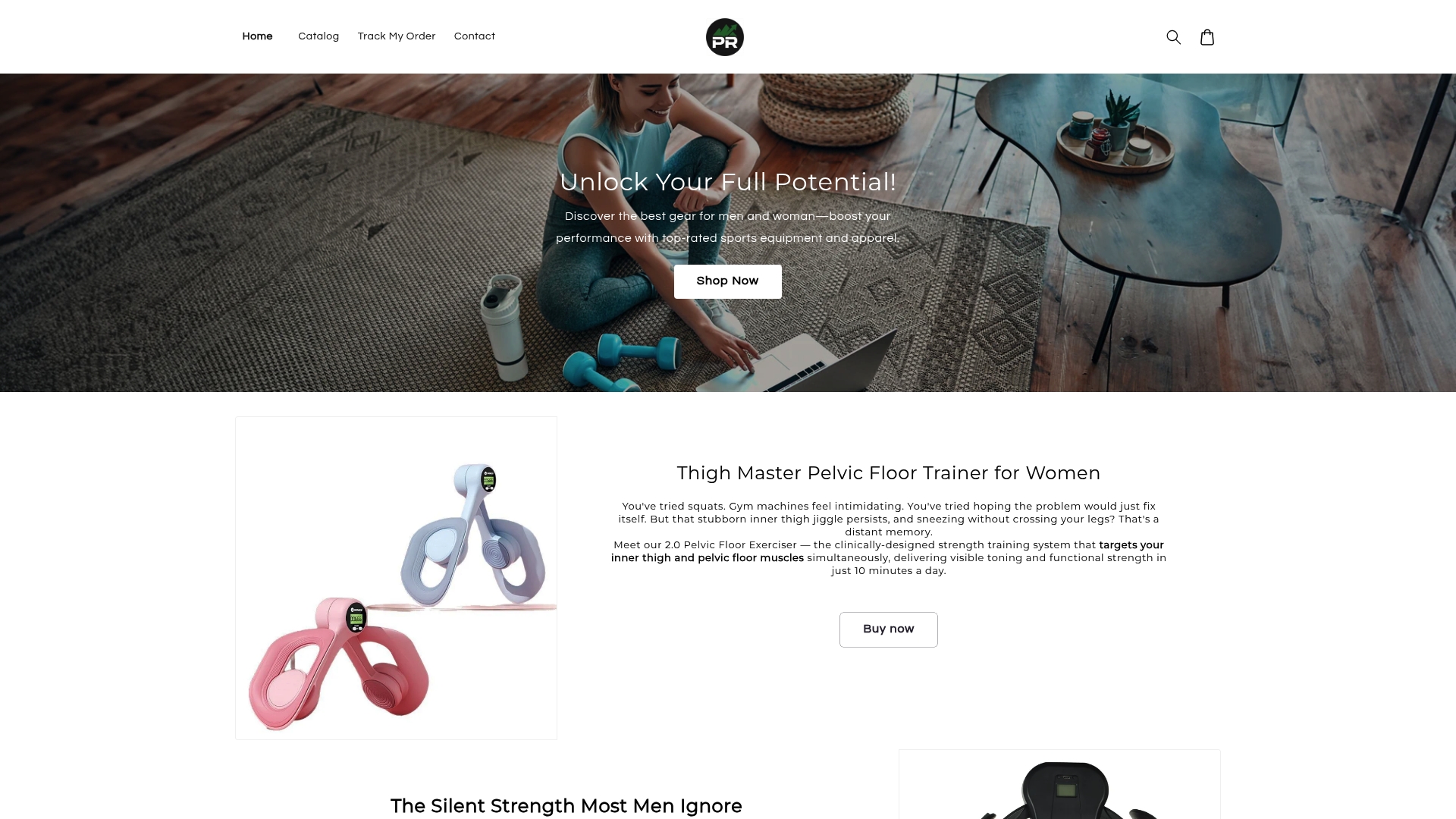
Shop the seamless fitness yoga pants delivering comfort and flexibility for any activity. Build core strength with the abdominal roller equipment that challenges stability more effectively than traditional exercises. Every piece in our collection balances trendy aesthetics with functional design, so you look great and perform better.
Peak Rep makes fitness gear shopping simple with detailed product descriptions, real customer reviews, and expert recommendations. Find everything from recovery accessories to complete workout outfits in one convenient place.
Frequently asked questions
What are the most important factors when choosing fitness gear for women?
Comfort and fit top the priority list since poorly fitting gear causes chafing and restricts movement. Activity-specific design matters because running shoes differ significantly from cross-training footwear in support structure. Brand reputation signals consistent quality and sizing, while material technology affects both performance and durability.
How do I balance price and quality when buying fitness essentials?
Focus on cost per wear rather than sticker price by calculating how long items will last. Mid-tier options ($50-$100) typically offer the best performance-to-cost ratio for regular use. Invest more in high-use items like leggings and shoes while saving on accessories you’ll use less frequently.
Are trendy fitness clothes worth the extra cost?
Trendy gear delivers psychological benefits beyond aesthetics, with 58% of women reporting greater workout motivation in coordinated outfits. However, prioritize functional features over purely decorative elements. Choose pieces with both style and performance benefits like compression technology or moisture-wicking fabrics.
What’s the difference between women-specific and unisex fitness gear?
Women-specific designs account for anatomical differences like narrower heels in shoes, higher arches, and different weight distribution. Sports bras provide necessary support absent in men’s tops, while leggings feature appropriate rise and inseam proportions. These design differences improve comfort and reduce injury risk compared to scaled-down men’s versions.
Where can I find quality fitness gear for women?
Explore the women’s fitness gear collection at Peak Rep for curated options balancing trendiness with performance. Specialty athletic retailers offer expert fitting services and gait analysis for footwear. Online shopping provides wider size ranges and better access to customer reviews informing purchase decisions.
Recommended
- Women’s Fitness Gear – Peak Rep
- Men’s Fitness Gear – Peak Rep
- Fitness Yoga Pants – Peak Rep
- Premium Kegel Exercise Trainer – Adjustable Resistance Pelvic Floor St – Peak Rep